| OCR Text |
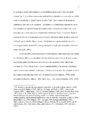
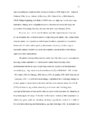
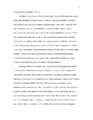
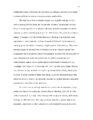
Show 328 bits and pieces, with each chapter approaching the corporation from a different perspective, in a different assemblage, with different corporate perspectivism. Each chapter is different in form from the next because we have never encountered the same corporate subject twice. Sometimes we needed theory. Other times we needed analysis. Some chapters have been short, others long. Arrangement has never been the same twice. This nomadology has had no consistent method, only commitments to theory. Why, the reader may ask? Well, because we have learned from the corporate subject: subjectivity is a relation, and like the corporation, this dissertation-subject is thrown into the world to build networks and alliances, and in an effort to become corporation. We - the reader(s), this computer, and this cartographer - have all been part of a schizophrenic performative. What We Can Learn From the Corporate Subject: A Few Schizophrenic Reflections It was no accident that these case studies have wandered and differed in form, arrangement, and style - or then again, maybe it was. We may never know for sure. Nonetheless, even to accidentally organize this dissertation schizophrenically escapes a pretentious arborescence that tricks the mind into thinking that we have systematically discovered a transcendental truth about what the corporate subject really is behind its corporate façade. If it works, it creates new lines of flight that deterritorialize the world. As Deleuze and Guattari (1980/1987) note in A Thousand Plateaus, …contrary to a deeply rooted belief, the book is not an image of the world. It forms a rhizome with the world, there is an aparallel evolution of the book and the world; the book assures the deterritorialization of the world, but the world effects a reterritorialization of the book, which in turn deterritorializes itself in the world (if it is capable, if it can)…Write, form a rhizome... (p. 11) Like the corporate rhizome, this book hopes to spread out and build relations with all who happen to encounter its forces. To help see the world from a corporate standpoint, this |