| OCR Text |
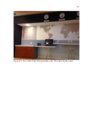
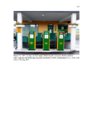
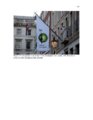
Show 303 disadvantageous argumentative position because it was now accountable to human standards of argument that privilege representation and truth even though the corporate subject is always already an irrational, multiple subject that exceeds humanism. In other words, bp produced a singular, rational persona against an inherently unreasonable act as a strategy to potentially work through Christian moralism by seeking forgiveness. This was a dangerous move because it reduced bp to a humanist criterion of judgment that intrinsically favored reasonable arguments produced by angry truth-seeking publics. Constructing a reasonable, voice-oriented, corporate subject gives leverage to truth-seeking publics that have rationally contended bp has greenwashed publics and has lied in ad campaigns by cropping images that are not real. Whereas unreasonable, affective, arguments make it difficult for publics to engage with the advertisements from a reasonable perspective (e.g., how can one rationally refute sensations?), reasonable, namely technical, arguments engage with a site of engagement has clearer, verifiable burdens of proof. In other words, bp's synchronic shift placed its advertisements on a field of argument where its forces were at an inherent disadvantage. And many publics capitalized on this opportunity. Some have argued that "this multi-million dollar ad campaign" is a "last-ditch effort to bring tourism back to the economically-depressed Gulf Coast," (Cousins, 2012, para. 2) or outright "bp Propaganda" (Cousins, 2012, para. 9). In an article, titled, "bp Keeps Faking Photos and Lying About it," blog reporter johnfromberkeley reports on the Daily Kos that bp has photoshopped an image of bp employees carefully monitoring various angles of the spillcam by cropping in more computers than were actually there. Mark Hertsgaard wrote in a cross-post from Newsweek that, "what has not been revealed |