| OCR Text |
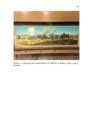
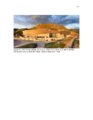
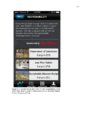
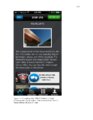
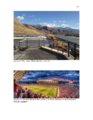
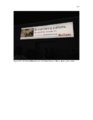
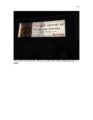
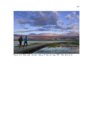
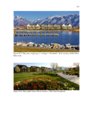
Show 207 title of the sign is, "What you can see from Daybreak," and the largest is a picture of a couple running along a dock that feeds into a lake. The Oquirrh Mountains and the Bingham Canyon Mine are in the background, but the sky is most striking: it is various shades of blue and purple with patches of clouds spread across the horizon, indicating that it is either sunrise or sunset (Figure 4.19). The caption reads, "Nothing like a big lake to tempt you outdoors." Other pictures show houses, flowers, tennis courts, a community garden, a school, and an outdoor swimming pool. Located at the base of the Bingham Canyon Mine, which can be observed from the viewscope, it is clear that Daybreak looks like a perfect community in the country. Again, on the bottom corner is the logo of Daybreak. Together, all of these signs about the economy, sustainability, and Daybreak inform the RSL fan that Rio Tinto has many layers of involvement in the Salt Lake City community. It is a citizen-subject that does its part to make the city and the country better places to live. It is a major employer, it cleans up after itself, and it sponsors numerous programs that make life better for all parts of the community. Rio Tinto has networks of citizenship that span from the country to the city, and it uses these networks for the betterment of society. Although Rio Tinto has only owned the Bingham Canyon Mine since 1989 and also owns mines in over 40 other countries, it has worked hard to be your friendly neighborhood corporate citizen in Salt Lake City, UT. Together, Rio Tinto, Kennecott, and Kennecott Land territorialize parts of the Rio Tinto Stadium to secure a corporate image that is friendly, progressive, and good-neighbored. Rio Tinto is mundanely imbued into the very stone of the stadium's architecture. RSL fans do not gaze at Rio Tinto's logo, but they also cannot resist confronting its |