| OCR Text |
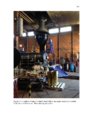
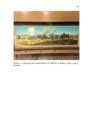
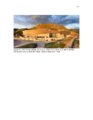
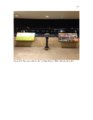
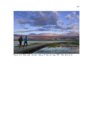
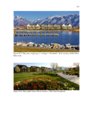
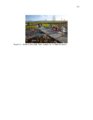
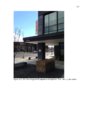
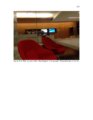
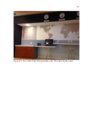
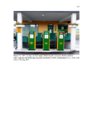
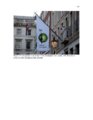
Show 217 clothes of its employees. It is also almost certainly on the contracts that residents sign when leasing their house from Rio Tinto, among other documents and websites that residents may use to organize events or pay their rent. Rio Tinto is not present, however, when residents are barbequing, biking, hiking, or shopping in the business district. Rio Tinto also has its regional headquarters at Daybreak, which houses head offices, procurement, and its department of technology and innovation. This is where I went when I interviewed Rio Tinto. From the outside, the building was quite ordinary looking (see Figure 4.25), but inside it was like stepping through a wormhole that took me to a different planet. It was a corporate alcazar. I stated my business, signed in, and was handed a tablet and asked to watch a video and fill in more details about my identity. I handed it back to the security officer and the secretary said Rio Tinto's Senior Advisor of Communications would be in shortly. I sat down in the adjacent chamber and watched more videos about Rio Tinto on flat screens located on all of the walls that surrounded me while I sat in my womb chair (see Figure 4.26). Behind me was a map of the world and above it were three or four clocks in different time zones. On the map were different colored dots. Each dot represented a Rio Tinto mine, and each color represented a particular natural resource mined in that area (see Figure 4.27). Each light represented a Rio Tinto mine. Salt Lake City's light was lit up, and so were over 60 others on 40 different countries. Rio Tinto's network of subjectivity is not just in motion in the Salt Lake Valley, but is truly global in scope. What is Rio Tinto's corporate citizenship like in Northern Michigan? Canada? Namibia? Madagascar? Papua New Guinea? Regarding this transnational identity politic, Rio Tinto said that there are some things that stay the same, such as its "commitment to sustainable development," which |