| OCR Text |
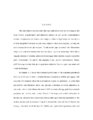
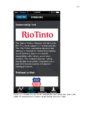
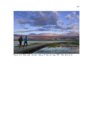
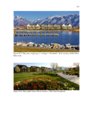
Show 219 to Daybreak that it naturally becomes part of the backdrop of residents' everyday lives. Without it, there would be no Daybreak. Rio Tinto's Communication Team describes residents as "multigenerational" in a personal interview. Accordingly, Daybreak is home to "a real diverse mix of people from all different backgrounds." Some work in Daybreak, others commute to downtown, and many are employed through Rio Tinto. Rio Tinto's Senior Advisor of Communication lives here, which he disclosed during our personal interview: "I, for example, live in Daybreak and my kids and I run the trails here. I work a mile from my house. And bringing in public transportation and bringing in educational facilities and schools allows people to have all that in one community" (Personal Interview, Rio Tinto, 2015). Living at Daybreak indeed makes sense for those employed through Rio Tinto; it also makes sense for those looking for a little peace and quiet. Rio Tinto described one woman, recently widowed, who moved to Daybreak from California to build "a beautiful home right on the lake." The beautiful thing about Daybreak is that it does not just offer "a great place to live," but it is an attractive "lifestyle" for those "buying their first home or their last home," or their in-between home. And at the end of the day, Daybreak, as Rio Tinto notes, "is a world-class example of what you can do with excess land and post mining land use" that delivers "a vision" of "a sustainably developed community where people have the opportunity to work, live, and play in one location" (Personal Interview, Rio Tinto, February 2015). Daybreak is community through and through, and this is what attracts residents. Consider the Hoenes family, who were the first residents of Daybreak when it first opened in 2005. To them, Daybreak fulfilled the vision that it promised when they |