| OCR Text |
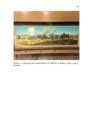
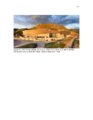
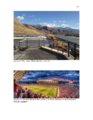
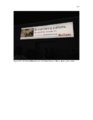
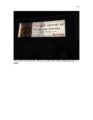
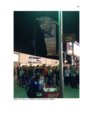
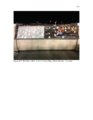
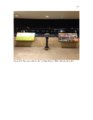
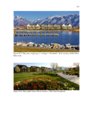
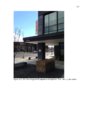
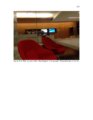
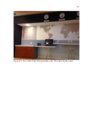
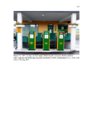
Show 206 "environmental stewardship, community outreach, and economic development." The hundreds of tree seedlings are only part of this $450 million network of sustainable development. Rio Tinto simplifies things for the reader when it says, "our sustainable development cycle is simple: mineral exploration, active mining and then working to recover and reclaim former mining land for other uses." The sign ends with a reference to Kennecott Land's Daybreak community. RSL fans are told that they can read more about Daybreak by the west elevators. This is where we go next. The Daybreak exhibit is on the west side of the stadium. It does not jump out at the RSL fan because it is down a corridor that takes visitors away from the concession stands and toward another open area that faces the mine. There are two more signs here, with another viewscope located in the middle of them (see Figure 4.18). Both signs are bright images. One is a map of "what you can see from here." It is a simple design that shows an etched version of the countryside, including the Oquirrh Mountains, and all the names and heights of all the visible peaks; a Latter Day Saint (LDS) Temple; Daybreak, which is described in parentheses as "A West Bench community by Rio Tinto's Kennecott Land;" a trail system and natural preserve called the Jordan River Parkway, the Utah Olympic Oval, which, we are told, hosted the long track speed skating events during the 2002 Winter Olympics; and Antelope Island, which is described as "the largest island in the Great Salt Lake and home to 600 American bison." On the bottom right hand corner, in bright orange, is the logo of Daybreak and the slogan, "This is getting good." The other sign is a collage of 13 different-sized photographs that each illustrates something unique about Daybreak, with very small captions in the bottom corners. The |