| OCR Text |
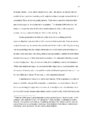
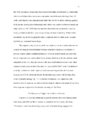
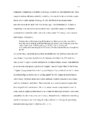
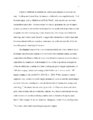
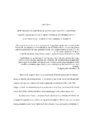
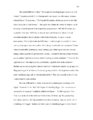
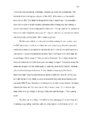
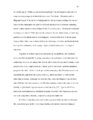
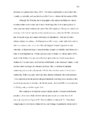
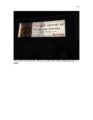
Show 3 We, the People of the United States of America, reject the U.S. Supreme Court's Citizens United ruling and other related cases, and move to amend our Constitution to firmly establish that money is not speech, and that human beings, not corporations, are persons entitled to constitutional rights (Move to Amend, 2015). These demands for corporate restraint demonstrate tensions and perceived divisions between publics and legalists over how to deal with corporate subjectivity.1 Some city councils, in cities such as Portland, New York, and Los Angeles, have even attempted to pass resolutions denying corporations the ability to influence elections in their own towns (Thompson, 2012). As NPR reminds publics, however, the concept of corporations as persons is not as radical as some may believe. It may seem "odd," but it is not an altogether new idea (Totenberg, 2014, para. 3). After all, corporations are defined as "a number of persons united in one body for a purpose," (para. 4, emphasis added), and the conceptual frame of corporations as entities dates "back to medieval times" (para. 4), when the Catholic Church bought and sold property as a political entity. Putting this history lesson to today's political context, Ilya Shapiro from the Cato Institute assured that "nobody is saying that corporations are living, breathing entities, or that they have souls or anything like that…This is about protecting the rights of the individuals that associate in this way" (Totenberg, 2014, para. 27). Citizens United was a long time in the making. Since 1886, the Supreme Court has assumed corporations are constitutional subjects when it decided that the Southern Pacific Railway Co. is a "person" entitled to due process and equal protection under the 1 The term corporate subjectivity expresses that corporations are actors with agency. This avoids the snares of humanism that suggests all subjects must be rational, speaking, humans, and thus renders the corporate personhood thesis nonsensical. |