| OCR Text |
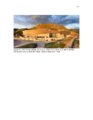
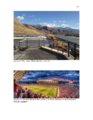
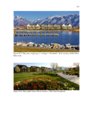
Show 178 museum did not have enough space to house all of its artifacts and the building was becoming old and decrepit. At the old location, attendance typically ran between 65,000 and 75,000 people per year, with an occasional spike to 90,000 when it brought in "live frogs and mechanical dinosaurs," at least according to the NHMU Executive Director. Today, the NHMU's annual attendance is between 250,000 - 350,000. A number of factors have contributed to this rise in attendance, including its stunning architecture, strong corporate alliances, and interactive exhibits. What stands out most is how the museum has become such an important, yet mundane, place of corporate community. As Rachel Lee Harris (2011) of The New York Times observes, "it is so in tune with its environment that it almost blends into the landscape" (para. 1). Our rail journey begins here because it is the farthest stop away from the Bingham Canyon Mine. The NHMU's location can best be described as a liminal space that borders country and city, since it is just at the edge of the eastern part of the city and the western part of the Wasatch Mountain Range. Salt Lake City, after all, is located in a valley surrounded by mountains. On the western part of the valley lies the Oquirrh Mountain Range, where the Bingham Canyon Mine is located, and on the eastern side is the Wasatch Range - where skiers, hikers, and campers spend their weekends. The NHMU is thus at the fringe of mountain and city. It is a transitional space at the border of two worlds: nature and culture. This unstable, liminal "in betweenness" is what Victor Turner (1995) might call a "betwixt and between." It is a spatial différance of Williams' country and city, which is both natural and cultural, but not totally either. Before even entering the museum, the NHMU visually accomplishes the difficult task of blending nature with culture. Not only is it located at the nexus of country and |