| OCR Text |
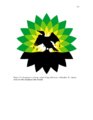
Show 281 2002. BP is also the corporate subject spearheading the controversial tar sands initiative in Alberta, Canada. Greenpeace concluded that, no matter how you frame oil: in a fancy television commercial or newspaper ad featuring different shades of green, a popular song, or a logo of the sun, it will still always be oil…In the greenwashing game, profit often comes before any reputation of honesty or respect for the true meaning of "green." Today, BP plays the game with a lot of guts. (Greenpeace, 2010a, para's. 1-2) All of this is troubling news for the truth-seeking moralist, but the fact is that bp's marketing tactics were effective for boosting sales and building affective relationships with publics articulated as consumers, and potential brand loyalists. To Gregory Solman (2008) of Adweek, bp's sales steadily grew from $192 to $240 billion between 2002 and 2006, and then to $266 billion 2007. Studies showed that the campaign was working like a charm. In one survey, bp was perceived as more "green" than other leading oil companies, including Shell (15%), Chevron (13%), ExxonMobile (11%), and Texaco (9%). In another survey, 49% of consumers believed that BP had "become more green" over the past five years. Publics were also going out of their way to view bp's webpage. In 2004, the website had 1.13 million viewers, with more than half of those viewers going directly to bp's carbon-reducing webpages. After winning a 2007 gold Effie from the American Marketing Association (AMA) on its advertising effectiveness, the AMA called bp's campaign "a landmark platform for a company trying to change the way the world uses, and thinks about, the fuels that are vital to human progress" (Solman, 2008, para. 33). The AMA also said: "Against a backdrop of skepticism, the world's second-largest energy company wanted to be different. The bp corporate reputation campaign communicates the company's progressive values in a distinctive, non-glossy way" (para. |