| OCR Text |
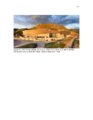
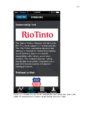
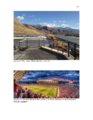
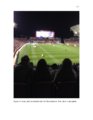
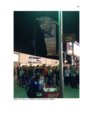
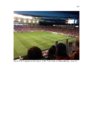
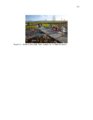
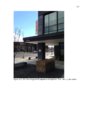
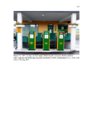
Show 198 engagement. This strengthens the image of Rio Tinto as corporate citizen-subject that cares about local affairs. This is an important component of Rio Tinto's network of corporate community. So what exactly is the fan culture during an RSL game at the Rio Tinto Stadium? This rhetorical cartographer went to figure this out on March 14, 2015, by attending the team's home opener between Real Salt Lake and the Philadelphia Union. The experience was sensational. Fans and corporations created an atmosphere of territorialism, loyalty, and fanfare. This was RSL nation, and fans were proud to be part of this athletic community. At times, fans were ostensibly pugnacious, especially when the referee made bad decisions; yet, the most forceful discourse of community citizenship was an affect of solidarity that emphasized unity, pride, and shared values. This fan culture may even be characterized as jingoistic, and in some ways it can be argued that this structure of feeling is rooted in a culture of fascism (see Hall, 2000; Larrain, 1996) where fans share an extreme commitment to RSL territory. This collective appeal of tyranny is perhaps most notably rooted in the sound of the steady beats of synchronous snare drums coming from the south section of the stadium. These drums march to the battle of RSL throughout the entire game, without break or hesitation. They also beat specifically to the RSL anthem, which powerfully rings throughout the stadium just before the first kickoff and after RSL goals. It goes like this: "If you believe then just stand up on your feet And shout it out "REAL!" Here at the Riot the battle hymn's begun We're here for RSL!" All 20,000 people sing this in concert, and when the background music stops, fans will |