| OCR Text |
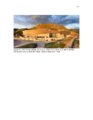
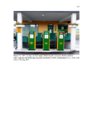
Show 279 The commercials also succeed in establishing a fun, lighthearted affect through animated video. The characters are adorable and charming, and the gas-stations are bright, clean, and visually attractive. Babies are driving cars, personified fuel tanks whistle the "Say Hey" song, and little green and gold people fly through the air. Nothing is rational about these scenes; and yet, the commercials are highly argumentatively effective in producing a pleasurable affect unique to bp's logo. bp sells a unique experience that no other gas station can offer. This experience is also more environmentally friendly than its competition, since bp is beyond petroleum. Subliminally, viewers are already thinking "green" since the color green is easily the most prominent color that brightly stands out when blended with yellow, like the helios. There are windmills in the background of the first commercial. Altogether, bp sells a desirable affective force that is irrational, but forceful. To Ann Hand, bp's head of marketing, "this campaign is the next step" to getting people to become more aware of gasoline brands. She asks: "Can we build more brand loyalty? Would you cut across traffic, or go a block out of your way?" (Stevenson, 2007, para. 3). It appears, though, that not all viewers were convinced bp was suddenly a cleaner and more environmentally sustainable oil company just because a couple commercials produced environmental feelings. In fact, many argued that bp was employing a classic scheme of greenwashing (Beder, 2002a, 2002b, 2006; Stauber, Rampton & Dowie, 2002). To Sharon Beder (2002a), attempts "to pride a ‘green' and caring persona for a corporation is a public relations strategy aimed at promising reform and heading off demands for more substantial and fundamental changes" (p. 139) to create what The Council on Economic Priorities has called a "pro-environmental smokescreen" (p. 129) |