| OCR Text |
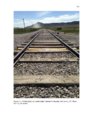
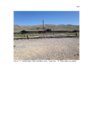
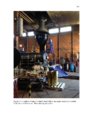
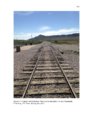
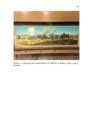
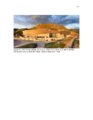
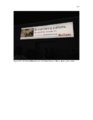
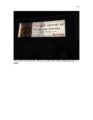
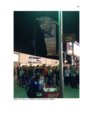
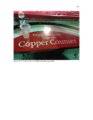
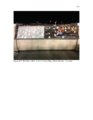
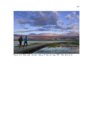
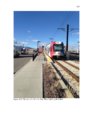
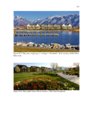
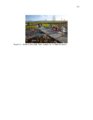
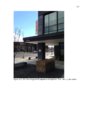
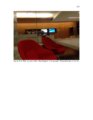
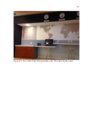
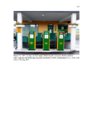
Show 138 and President Lincoln himself, but gave them full control of the nation's first transcontinental railroad once "the golden spike" was thrust into the earth on May 10, 1869 in Promotory, Utah (see Figures 3.1-3.4). This pivotal event united the Central Pacific Railway with the Union Pacific and also commemorated the "coordination of systems of technology with political and economic power" (Solnit, 2004, p. 67). Southern Pacific was particularly rhetorical, and it made no efforts to hide its unabashed self-interests. As Kevin DeLuca (2001) observed, Southern Pacific recruited numerous actors to promote its transportation system through the Yosemite wilderness by mediating visual rhetorics that articulated this landscape as sublime and beautiful. Southern Pacific recruited John Muir and other writers, photographers, and publishers to help promote Yosemite wilderness as a national park. Southern Pacific even founded a monthly magazine called Sunset to promote the work of these artists, which "fashioned a corporate rhetoric that promulgated park formation and wilderness preservation" (DeLuca, 2001, p. 639). Southern Pacific was aware that getting Congress to preserve Yosemite as a national park would substantially boost the train riding business for years to come. Muir knew this also. Nonetheless, the two actors were able to strike a compromise and join forces, which "served the twofold purpose of luring folks to ride the trains as tourists and persuading them to settle in the West as pioneers" (p. 639). The Southern Pacific, among its kindred forces of the Union and Central Pacific, was thus politically active, economically motivated, and rhetorically forceful. As such, its subjective emergence occurred long before the SCOTUS made its decision about the legal status of the corporate subject. It was quite evident that by 1886, when Santa Clara County v. Southern Pacific |