| OCR Text |
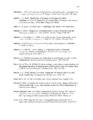
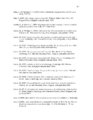
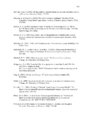
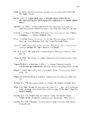
Show 55 Goffman, E. (1974). Frame analysis: An essay on the organization of experience. Cambridge, MA: Harvard University Press. Goodnight. T. G. (1982). The personal, technical, and public spheres of argument: A speculative inquiry into the art of public deliberation. The Journal of the American Forensic Association, 18, 214-227. Greene, R. W. (1998). Another materialist rhetoric. Critical Studies in Media Communication, 15(1), 21-40. Greene, R. W. (2007). Rhetorical capital: Communicative labor, money/speech, and neoliberal governance. Communication and Critical/Cultural Studies, 4(3), 327-331. Greenpeace (2010) http://www.greenpeace.org.uk/about/greenpeace-and-pragmaticsolutions. Griffin, C. L. (1994). Rhetoricizing alienation: Mary Wollstonecraft and the rhetorical construction of women's oppression. Quarterly Journal of Speech, 80(3), 293312. Gross, A. G. (2005). Presence as argument in the public sphere. Rhetoric Society Quarterly, 35(2), 5-21. Gross, A. G. (2012). The public sphere and rhetorical criticism: A cautionary tale. Argumentation and Advocacy, 49(2), 141. Habermas, J. (1984). The theory of communicative action, Vol. I. Boston, MA: Beacon. Habermas, J. (1991). The structural transformation of the public sphere: An inquiry into a category of bourgeois society. Cambridge, MA: MIT press. Hansen, A. (1991). The media and the social construction of the environment. Media, Culture and Society, 13, 443-58. Hariman, R. (1991). Critical rhetoric and postmodern theory. Quarterly Journal of Speech, 77(1), 67-70. Hariman, R. (2002). Allegory and democratic public culture in the postmodern era. Philosophy and Rhetoric, 35, 267-296. Harlow (2015). Interview https://www.youtube.com/watch?v=eBGDLbhnS0U National Public Radio (2014, July 28). When did companies become people? Excavating the legal evolution. NPR. Retrieved from http://www.npr.org/2014/07/28/335288388/when-did-companies-become-peopleexcavating-the-legal-evolution |