| OCR Text |
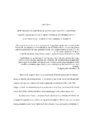
Show 337 Argumentation and rhetoric have oftentimes gone hand in hand since both compel action and position critics as cartographers, not sovereign arbiters. However, when we speak of argument and rhetoric, we are talking about two entirely different communities of communication scholars, and I wonder how this segregation has happened and why the rhetoric-argumentation demarcation has prevailed for so long. After all, Thomas Kuhn (2012), Stephen Toulmin (1958), Chaïm Perlman and L. Olbrechts-Tyteca (1969), G. T. Goodnight (1982), and even Frans van Eemeren and Rob Grootendorst (1992) have always relied on rhetoric to supplement their theories of argumentation. Sadly, though, it seems that while rhetoric has advanced beyond reason, at least in some circles, argumentation studies has been left behind as the last resort for latter-day Platonists, Aristotelians, and Habermasions - a magical world where substantive, reasoned arguments compel social change. In a hybridized age where corporations are subjects, however, and when these nonhuman, nonsentient, unreasonable subjects incite change on a global level every waking day with networks, relations, and forces, it is vital that the barricades of this argumentation Alamo come down to build something new. Good reasonable arguments have failed. They have failed to pass climate policy. They have failed to elect the best debaters as governmental officials. And they have failed to stop police brutality, the war on terror, and nuclear proliferation. Why do we still have a fossil fuel economy when international scientists have declared with a near unanimous consensus that our planet is in a perilous climactic situation? How did Scott Walker and Rick Snyder get elected governors of two of the United States' strongest union states, Wisconsin and Michigan, when they ran, and followed through on, corporate-sponsored campaigns to crack down |