| OCR Text |
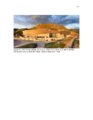
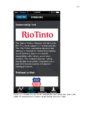
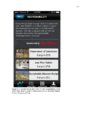
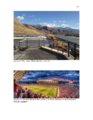
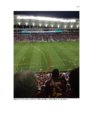
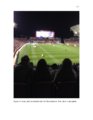
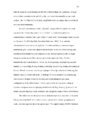
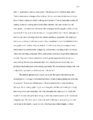
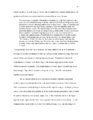
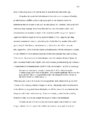
Show 218 includes universal elements of "economic prosperity," "social well being," "environmental stewardship," and "a strong corporate governance within." However, Rio Tinto said that there are standards that also obviously change with each communal relation: "Based on where you live and based on the needs of your community, based on…the dynamics of the operation, certainly they will vary from some degree from business to business" (Personal Interview, Rio Tinto, 2015). Rio Tinto manages a complicated web of corporate subjectivity, and readers ought to be reminded that networked subjectivities are constantly in flux. Networks move. They are always different from what they were and what they may become. Rio Tinto's corporate subjectivity, then, is a multiplicity. Rio Tinto is not a singular subject that acts like a sovereign king or queen. Neither is it reducible to one particular place of corporate community. In Salt Lake City, Rio Tinto's identity is diffusely comprised of subsidiaries such as Kennecott Copper and Kennecott Land; places of corporate community such as the Natural History Museum of Utah, the Rio Tinto Stadium, and Daybreak; and so many other objects that come into relation with its network, such as cellphones and computers, public transportation systems such as Trax, the people of Salt Lake City, and this dissertation. At Daybreak, specifically, Rio Tinto is an environmentally sustainable corporate subject that is mundanely part of the community of those who live there. It is quite something to conclude that Rio Tinto is mundane, and not conspicuous, since its Bingham Canyon Mine is as wide as three Golden Gate Bridges and is deep enough to stack three Eiffel Towers inside its pit. Yet, this mine is part of the hybridized network that makes Daybreak the beautiful countryside community that it is. The Bingham Canyon Mine is part of the package. Indeed, it is precisely because it is so close |