| OCR Text |
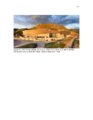
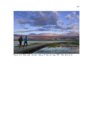
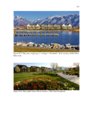
Show 213 Tinto says, Kennecott Utah Copper's Daybreak Community Development Team is dedicated to building an enduring community in the Salt Lake Valley. We manage our land holdings and are building Daybreak in ways that will ensure future generations have the opportunity to enjoy a great neighborhood, beautiful land, abundant water, and clean air. As part of Rio Tinto, a global mining company, Kennecott is well-versed in the reclamation needs of mining operations and is sensitive to the public's questions and concerns about past mining activities. We hope the information contained in this report will help you understand our significant work and commitment to ensure clean, safe soil and water in Daybreak. Although the Daybreak property is still being developed, it is living proof that corporate entities can work together with other agencies to cleanup their messes, and even create new reusable land in the meanwhile. According to the EPA (2006), The cleanup process Kennecott used was unprecedented. Cleanup of the Kennecott site took place because the dual threats of CERCLA litigation and NPL listing - along with a new corporate perspective - motivated the company to conduct a proactive environmental cleanup…although the process was not always easy, the end result was a new remedial approach that accomplished EPA's goal of protecting human health and environment. (p. 12) Rio Tinto has cleaned up the residual mess of historic mining practices that date all the way back to the 1860s. Rio Tinto, more or less, inherited the toxic plumes that once contaminated the entire southwest valley, but with effective networking, strategic planning, and cooperation with the EPA, this corporate subject transformed the land by planning Daybreak in 2001 as a "sustainable use of post mining land and as a showcase of the progressive thinking that embodies Rio Tinto" (Daybreak History, 2012, p. 2). Various historical facts support this claim. Kennecott worked in compliance with the Comprehensive Environmental Response, Compensation and Liability Act (CERCLA) by removing waste with concentrations of lead, arsenic and sulfate concentrations to a controlled repository in 1994 to the satisfaction of the EPA and Utah Department of Environmental Quality (UDEQ). Kennecott built two reverse osmosis plants to treat |