| OCR Text |
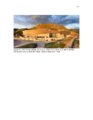
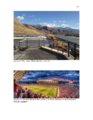
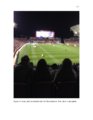
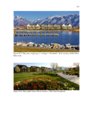
Show 342 substantially changed the way legalists, publics, and activists conceptualize corporate actors, and they have moreover opened the gates for corporations to act as powerful, constitutionally protected, agents of social change in many different areas of public life. Rio Tinto Kennecott is also an agent of social change as it has taken part in turning an entire mountain into the world's largest open pit mine, which makes copper available for some of society's most taken-for-granted technologies. The moment corporations showed the world the possibilities of open pit mining was a critical moment in social, historical, and political history because it democratized otherwise rare mineral metals to global consumers. Copper is unique to social transformations because its newfound abundance, thanks to open-pit mining, entirely changed the way human actors communicate with each other by propelling research and development in new media such as personal computers, smartphones, and tablets, and by changing human perception. The networks of copper, set forward by industrial corporations, have created the public screen, which is itself a critical resource for contemporary social change (see DeLuca, Lawson, & Sun, 2012; DeLuca & Peeples, 2002). Additionally, Rio Tinto Kennecott has managed cultural change in the local community by using places of corporate community to produce relations with publics that see the Bingham Canyon Mine as historical necessity to industrial progress and communal coherence. The NHMU, Rio Tinto Stadium, and Daybreak are all places where social transformation have occurred, and Rio Tinto Kennecott also operates numerous other philanthropic community-outreach programs that attempt to make life better for members of the community. It funds scholarships, soccer programs, environmental sustainability initiatives, etc. to improve the lives of its fellow citizens. |