| OCR Text |
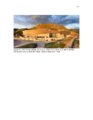
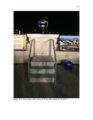
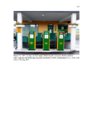
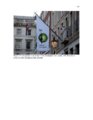
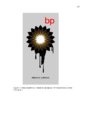
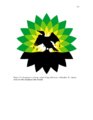
Show 275 and logos are key to establishing, sustaining, and even repairing these visual networks of subjectivity. Their condensations are visually present on gas stations, t-shirts, and computers, but they are also absent in that they do not have an organic, human, singular body. This makes one contemplate, once more, Spinoza's famous quote, paraphrased by Deleuze, that "we don't even know what a body can do" (Deleuze, 1970/1988, pp. 1718). Since corporate subjectivity is a contingency rather than a necessity, or an essentialism, logos are mediators that forcefully keep the corporate subject together. Logos work pragmatically. They are image events, they are argumentative, and they produce corporate personas through affect, not reason. These features are used to practically build relations that keep the corporate subject alive within visual assemblages. While Klein and Harold have done important research on the logo, it is now clear that their arguments need to be supplemented with a networked perspective because logos, as visual compendiums of corporate subjects, exceed humanistic frameworks of how subjectivity works. Logos sustain visual networks that do not adhere to good reasons and moral imperatives. Nonetheless, as branded arguments, logos can succeed and fail. Consider the case of bp's logo, which has experienced both. The Force of bp's Branded Arguments Oil companies such as bp, Exxon, and Chevron rely on carefully crafted brands to construct desirable "corporate consciousnesses." All refined oil - namely, gasoline - has exactly the same quality of content; yet, when drivers need to refuel, and they visit a highway exit, they are presented with numerous options about where to make their purchase from many different companies that each use their logos to produce affects |