| OCR Text |
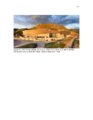
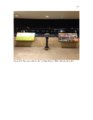
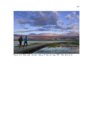
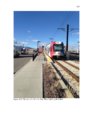
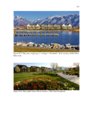
Show 215 was so effective it became a model for how to engage with the community and turn environmental disasters into sustainable land practices. Rio Tinto did not just create any kind of community; it created a corporate community that is centralized in one location so that people would be more connected with each other, the land, and their corporate subject (see Figure 2.24). It is a place where residents can "work, live, and play." In a personal interview with Rio Tinto's Communication Team, I was told that one of the many reasons why Daybreak is special is because it is not part of the "urban sprawl" occurring "not just here but in every city in the United States" (Rio Tinto, personal interview, February 2015). Alternatively, Rio Tinto makes Daybreak cohere with the Oquirrh Mountains and articulates corporate community as environmentally sustainable through a hybridization of copper mine with human neighborhood. Divisions of nature and culture cannot be separated at Daybreak because they are both in beautiful relation with each other at home, café, and hiking trail. This is what "local resident and neighborhood expert" Dave Robison indicated in a video titled, "Daybreak Utah Highlights:" all the houses…were built within the five minute rule in mind. What that rule is, is that you will be able to walk from your house, and it will take only five minutes to get to something awesome, whether it's trails, parks, a lake, or shopping, or even transportation. (Robison, 2013 [video file]) To another resident who moved from New York, Daybreak is special because it emphasizes community. Her children walk to school and her family is happily part of Daybreak's sustainable vision. This family "enjoy[s] an outdoor lifestyle, know[s] their neighbors, hike[s] and bike[s] regularly and canoe[s] together on man-made Oquirrh Lake come summer" (Semerad, 2014, para. 6). "I love the community," this resident says. "I love what it offers, not only for myself but also my family" (para. 7). |