| OCR Text |
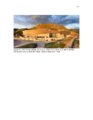
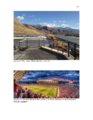
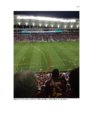
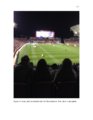
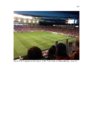
Show 195 At the Rio Tinto Center, Rio Tinto's audience is also larger than it is at the NHMU, since it is part of the MLS network, which is a network of professional soccer teams that compete throughout the United States and parts of Canada. The league is comprised of 20 teams, and three of them are in Canada. Rio Tinto does not own the team, and it does not own the stadium. It only has naming rights. Yet, naming is still a powerful rhetorical force that enables Rio Tinto to tap into an international network of community, fandom, and perhaps even what Robert Bellah (1967) has called civil religion. Additionally, RSL games are televised across the nation and world, which puts Rio Tinto in the homes of millions. The overall popularity of RSL is increasing, and to The Salt Lake Tribune (2012), "the popularity RSL is enjoying is reflected in attendance at MLS games across the country…RSL's winning record, including the 2009 MLS Cup victory, certainly has something to do with fans' enthusiasm. It's a win for both team and community" (para. 3). The Rio Tinto Stadium is a public and private arena that is fundamentally a place of corporate community and engagement. Both human and nonhuman corporate subjects participate as citizens of the local community. Rio Tinto is just one of many corporate subjects at this place of corporate community. According to the official website of Real Salt Lake, there are 56 corporations that sponsor RSL athletic initiatives. This includes the jersey partner, LifeVantage; the stadium naming partner, Rio Tinto; 13 "Royal Partners," 34 corporate partners, and seven broadcast/media partners. This diverse corporate community creates a space for fandom and democratic participation for both humans and corporations. The concept of fandom is an important and oftentimes overlooked component of |