| OCR Text |
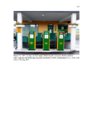
Show 278 moving car and assemble a bp gas station around the vehicle. The whole family smiles as they hold up snacks and beverages with great pleasure. An employee happily sweeps the pavement and waves the passengers goodbye as he and other employees fly into the sky. The song ends in a cheerful whistle and a caption reads, "Just ahead, a little better." "Just ahead" flips to read "gas stations, a little better." In the final shot, bp's logo appears. It spins and then stabilizes. "beyond petroleum," it says. A green and yellow link is listed at the bottom of the screen: a littlebettergasstation.com. These commercials are affectively forceful through song and play. bp does not make rational arguments as to why its fuel, its refreshments, or its bathrooms are better than others. bp sells a charming affect that makes its customers feel good. Seth Stevenson of Slate commented on the comparative force of this appeal: Other major gas-station chains also run ads, but they tend to be more practical in their approach. In characterizing competitors' campaigns [Ann] Hand points to "macho" ads about high-performance fuel, with "animals racing through the forest." By contrast, BP is interested in crafting a happy, upbeat mood that it hopes customers will associate with a visit to a BP station. (para. 4) While Stevenson notes that it is difficult to create brand loyalty with oil companies since nobody sees the oil after it enters the fuel tank, bp separates itself from other corporate subjects because it sells positive, upbeat moods and emotions. Central to this argumentative affect is the song, which is a catchy, "bouncy tune" that Stevenson jokingly predicts will hit the mid-40s on the Billboard charts. Some viewers have commented on bp's Youtube channel that they cannot get the song stuck out of their head. Others are curious about the original artist. Everybody wants more of it, which is why one Youtube user created a video that plays the "Say Hey" song on repeat for 10 straight hours. |