| OCR Text |
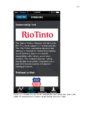
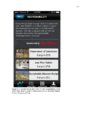
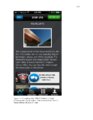
Show 187 the museum's public and private alliance. If anything, the museum displaces the human subject as the centerpiece of knowledge and history and projects that corporations, not humans, are at the fore of our next phase of evolution. After all, the museum was made possible because incorporated actors, such as Rio Tinto, the Utah Board of Trustees, and the United States Federal Government, donated philanthropic gifts to the museum's efforts. Additionally, these corporate sponsors recruit visitors to join their more-thanhuman network and experience a more sensuous world through the technological media that corporations have produced, sponsored, or helped purchase. The museum is about evolution. Is it too unreasonable to suggest that corporations are the next phase of our evolutionary trajectory? After all, humans experience the NHMU through technological modalities sponsored by corporations. Rio Tinto, for instance, performs the utility of copper for scientific education by sponsoring an NHMU digital interface known as the "Sustainability Trail." The Sustainability Trail is one of many "trails" that NHMU visitors can access on their smartphones while visiting the museum (see Figure 4.2). As part of the phone application "Trailhead to Utah" (made possible by support from Union Pacific), the Sustainability Trail is designed to educate interested visitors about some of the environmental dynamics of particular museum exhibits that direct visitors to this trail. To Brian Maffly (2011) of The Salt Lake Tribune, it allows visitors "to personalize their tour" (para. 3). Visitors can access these digital commonplaces by "entering a stop" from specific exhibits or by directly taking a look at all of the stops on the "sustainability trail" itself. This "trail" is described as a place where visitors can "explore the strategies nature uses to sustain earth's species…and take a deeper look at how we humans are tackling the |