| OCR Text |
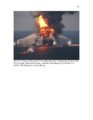
Show 263 the visual corporate subject may receive logo blowback. Klein and Harold have done foundational research on the topic of the logo; however, a more nuanced perspective approaches the logo from the corporate subject's point of view to understand how the logo works. Since this dissertation is characterizing the corporate subject as a rhizome, an assemblage, then the pragmatic thing to do is to determine how the logo makes corporations "go." So what is missing from this scholarship about visual culture, image politics, and cultural control is a discussion of how the logo is a pragmatic condensation of the corporate subject. This shift in perspective jettisons the lingering presence of the Cartesian subject among publics who have tended to visualize corporate subjects through humans, such as Steve Jobs and Tony Hayward, who are believed to metonymically represent corporate identity or personality. Rather than mapping the complex relations that constitute the visual corporate subject, humanistic perspectives encourage a reduction of corporations to singular, rational, human actors that are believed to possess moral qualities. The specter of humanism inhibits publics, academics, and social protestors from understanding how corporations use images to brand arguments and forcefully build subjective relations that escape structures of representation. The remainder of this chapter hopes to demonstrate the uses of a nonhumanist orientation to the logo. While moralist instincts may be useful in motivating inventional forms of social change, they nonetheless fail to understand how logos work as actants that produce visual corporate subjects. To advance this argument, the following section begins to understand how logos work, pragmatically. In doing so, this author argues logos are constitutive visualizations of corporate subjects that convey affects, not logos (word, |