| OCR Text |
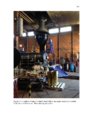
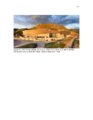
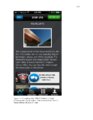
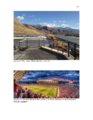
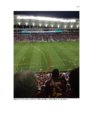
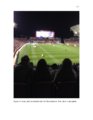
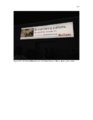
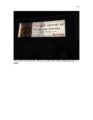
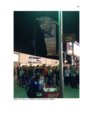
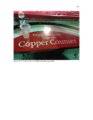
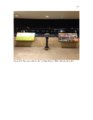
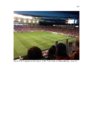
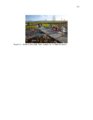
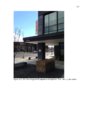
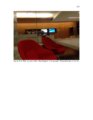
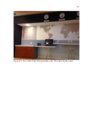
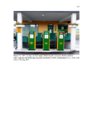
Show 201 what is actually happening. Rio Tinto's citizenship is hardly tyrannical. In fact, it is just one of many corporate citizen-subjects that are all part of the RSL experience. If anything, this corporate community is a form of corporate cosmopolitanism that connects both human and corporate subjects in a stadium that is named after just one of many corporations. The name, "Rio Tinto Stadium," is not even all that conspicuous. It blends in with the colors of the stadium because the Rio Tinto and the RSL logos are both red, the same red as the seats, the players' jerseys, and the fans themselves. Rio Tinto, however, still has a strong presence. It is at a lot of places at once. It is outside the stadium, on a cement statue that holds a sculpted soccer ball; it is beside the eastern entrance on two big banners hanging down from brick pillars and on three smaller signs on the western entrance; and it is inside the stadium on numerous billboards, signs, and screens. Its brand is most noticeable on the two main screens that broadcast stadium events live. Rio Tinto's communal corporate subjectivity is mundane, but it is still an important part of the RSL community. Rio Tinto wants the RSL fan to have a good time and associate its identity with the fans' experience. It also uses the stadium as an opportunity to educate its visitors about its dedication to Salt Lake City. For instance, there are two lighted signs on the north end of the stadium that disseminate Rio Tinto's commitment to clean air. One states in bold letters: "18 monitoring stations." Below it, in red, is "One goal for cleaner air." "Take a closer look at RioTintoKennecott.com." To the left is a male Rio Tinto employee in a Rio Tinto hardhat carefully analyzing a machine in what appears to be a laboratory (see Figure 4.9). Presumably, he is "monitoring" the Bingham Canyon Mine's impact on air pollution to make sure the particulate matter is at |