| OCR Text |
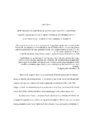
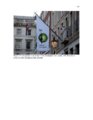
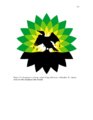
Show 274 is believed to convey the meaning, or true identity, of corporate subjects. This play helps explain the anger and frustration with bp for crafting a logo that apparently failed to represent its truer, oilier identity. While publics may assume logos (images) are reducible to logos (speech, meaning), this is a failure to understand the mechanics of the logo and the networked corporate subject. Yet, how can rhetorical cartographers blame publics for grappling with the impossibility of language to represent the image during a time when accountability is paramount for cleanup and compensation? It is telling that the logo, as an image, is itself defined with the root word of logos, which also means reason, presence, dialogue…The logo-as-image functions to tame the image's ontological universe by reducing the image not to any word, but to the specific word, logos (image/word); which assumes the force of the image can be disciplined by human powers of reason and logic. This does a horrible violence to the image. Regardless, corporate subjects use this failure of language to their rhetorical advantage by crafting logos that publics may consider as vehicles of meaning and truth. This has wrought a new form of logo[s]-centricism, or logoscentrism, that relies on images to produce an optical consistency about the look of the corporate subject. As an image, though, and not a phonetic word, the logo forcefully deconstructs the very idea of the subject because it performatively undoes its own linguistic logic by demonstrating humans are actually the ones in service of the image, and not the other way around. Logos, like signifiers, are always moving, and are always already different from other transmutable mobiles because they all encounter different relations at different times in different spaces with different objects, assemblages, and networks. Logoscentrism takes on yet another meaning in the context of rhetorical criticism: logos is an artistic appeal. In this instance, logos (images) displace the Aristotelian logos that relies on argumentative logic appeals and is made manifest in the form of the enthymeme. Reading logos as visual displays with logic, reason, and compelling warrants will always rely on another appeal that is oftentimes regarded as the neglected stepchild of our discipline: pathos. Pathos (appeal), not logos, is the dominant rhetorical appeal within the corporate and obviously the protestor's image event, which do not at all require logos (appeal) to function even though publics may impose it onto the image to render moral judgment. Corporate' logos are rhetorically effective because they evoke affective structures of feeling not because they are logical and enthymematic, as Cara Finnegan (2001) may project. bp's logo, for instance, became forceful because it is bright and beautiful and produces feelings amicable to the environment. This irrational, affective rhetorical force, however, is overlooked by publics, and apparently critics, who assume the logo is a testifiable, enthymematic argument. And this is why so many were upset with bp's rebranded logo, because it was assumed the new image was a logical form of speech that promised it was now environmentally sustainable. The logo (image) plays with all of this (speech/image; logos/pathos), and manages to escape meaning. The corporate subject is not only multiple, but like the image, and this footnote, it is both present and absent. This upsets metaphysical hierarchies of word/image, logos/pathos, presence/absence, and human/corporation, because these binaries are incapable of withstanding the force of the logo (image), which is always moving and building something new. |