| OCR Text |
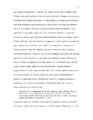
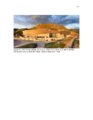
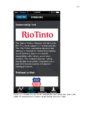
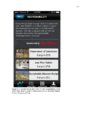
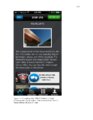
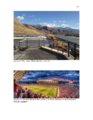
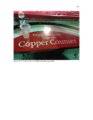
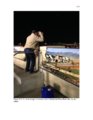
Show 189 the valley. On the western edge of the terrace there are signs pointing to the mine, and interested visitors are encouraged to enter the digital code 191 to access the "Copper & Kennecott Mine" stop. This stop is not listed under Rio Tinto's sponsored "Sustainability Trail;" it is listed under museum "highlights." There is a lot to explore at the Copper and Kennecott Mine stop. The module opens with a brief discussion about the museum's copper panels mined from the "nearby" Kennecott Bingham Canyon Mine, which can be observed through the "viewscopes" on the patio. The copper that encloses the museum is described as "not only beautiful," but also "lightweight, strong, and 100% recyclable." The digital stop has two slideshows (see Figure 4.4). The first is a "heavy metal tour" of the copper's journey from mine to museum and includes images of an employee carrying bundled copper on a fork lift, workers melting the copper to create different alloys, machines cutting and rolling "copper coils" into "flat panels," and construction workers putting the finished copper panels on the museum. The second slideshow is a collection of "fun facts about the Kennecott copper mine." It has an aerial picture of the mine and notes that the mine and the Great Wall of China are the only "two man-made objects that can be seen from space." It also has two pictures that put the width and depth of the mine in visual perspective. Digital users see that the mine is three miles wide, which is comparable to three Golden Gate Bridges and it is 3,110 ft. deep, which is enough to "stack the Eiffel Tower on top of itself three times and still not reach the surface." There is also a fourth picture of the tires of tractors used to extract the ore, which are 18 feet high, or about the same size as "a two story building." Visitors can also push a button to "Go Further" and "Explore" by reading more about the Bingham Canyon Mine, which "feels as big as a |