| OCR Text |
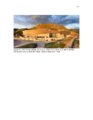
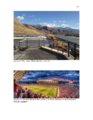
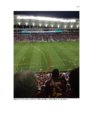
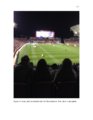
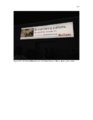
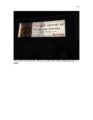
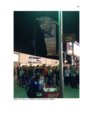
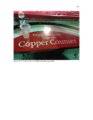
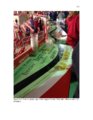
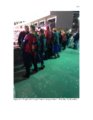
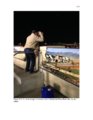
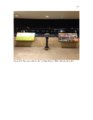
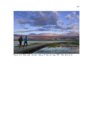
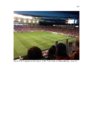
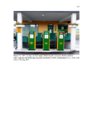
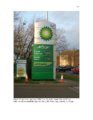
Show 194 pays $1.5 - $2 million for naming rights (Lewis, 2008). In a Salt Lake Tribune article titled, "Real Salt Lake's Fan Base Keeps Growing," MLS President Mark Abbott is quoted: "The stadium is one of the finest soccer venues of its size, and RSL supporters provide an environment that often rivals great soccer crowds throughout the world" (Renzhofer, 2012, para. 12). The stadium produces an entirely different structure of feeling than the NHMU. The culture of corporate community at the Rio Tinto Stadium is a feeling of fandom, excitement, and unity, not scientific inquisitiveness. However, both places evoke strong emotions and associate the name - Rio Tinto - with discourses that shape the Salt Lake community. Rio Tinto's presence is mundane, but it is powerful because it is part of the very design of community engagement. The stadium is just one of many places of corporate community that belongs to a greater network of the corporate society of control. The stadium is also notably closer to the Bingham Canyon Mine than the NHMU. In fact it is nearly located at the center of the distance between the museum and the mine. To the east lie the Wasatch Mountains and the NHMU. To the west is the mine. At this proximity, the scale of the mine is distinct. It can be seen from the southern and western parking lots outside of the stadium. However, it cannot be seen while seated inside the stadium. Since the museum runs north to south, the majority of the seats are facing east and west. When sitting on the western side, therefore, the visitor's back is to the mine while facing the soccer field. When sitting on the eastern side, the mine should be visible, but the portico blocks this view for most of the visitors. This creates a controlled field of vision where the spectator is part of an optically enclosed corporate community. |