| OCR Text |
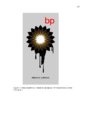
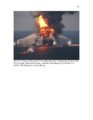
Show 47 they translate and mediate their associations with other objects, the branded image itself stays the same across transnational contexts. General Motors, for instance, has assembly and manufacturing plants all over the world, not to mention the natural mineral metals that went into producing the part that gets assembled and manufactured. The logo of GM, however, does not change with the context. It is found on the parts, the factories, and the automobile itself. Like Davi Johnson's (2007) meme, this image spreads like wildfire across cultural landscapes on t-shirts, toys, and screens to create their own cultural environments to maximize their chances of survival. Humans are the conduits that become part of their rhetorical networks. Revising McLuhan's (1964/1994) mantra, we can see that humans become extensions of corporations. To determine the rhetorical force of corporate brands in cultural assemblages, this chapter traces bp's logo before and after the Deepwater Horizon Oil Spill to determine the effectiveness of its visual arguments. Before the spill, bp effectively associated its logo with affective forces that articulated bp as an environmentally sustainable visual corporate subject. After the spill, however, bp ineffectively attempted to create a reasonable, scientific visual corporate subject that was apologetic for the spill and committed to rebuilding affected communities. These images assemble a visual network that speaks to how corporations use logos to stabilize damaged subjectivities when environmental disaster strikes. The sixth and final chapter puts these assemblages in perspective and argues that corporations are schizophrenic subjects that constantly occupy different subjectivities at once. This author reviews some of the findings from the previous chapters and asks what can be learned from the corporate subject and also discusses how corporate subjectivity |