| OCR Text |
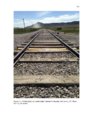
Show 135 demonstrated (White, 1997, p. 85). Other natural resources, such as gold and silver, also became allied with the train because they could be transported from their extraction sources to refineries. At the Bingham Canyon Mine in Utah, for example, the transcontinental railroad allowed workers to move copper ore from the mine to the smelters without oxen teams. This allowed Bingham Canyon to develop into the richest hole on earth with its large-scale porphyry mining techniques, made possible only by steam shovels and the steam locomotive. As John Mason Boutwell (1905) said in a famous USGS report, "In 1870 the change in the conditions which had formerly retarded development in Bingham was most marked" (Boutwell, 1905, p. 83), which is directly attributed to the arrival of the transcontinental railroad. In other words, the advent of the railroad made industrial mining a very real possibility, because with it came resources, labor, and economic progress for Utah, California and the rest of the country. The railroad was making its own rules by divvying up the seemingly insurmountable forces of nature and creating an entirely new perception for technoindustrial lifestyles in the 19th century. The railroad departed from nature and shrank the world according to its transnational scale and created "industrial time" that produced new subjects, markets, and corporations that strengthened the force of this technological network. It even created time zones to keep the new flows of commodities on schedule. What began as railway time in England, ended up becoming Greenwich time by 1880. The United States soon after followed suit by dividing its industrial time into four quadrants: East, Central, Mountain, and Pacific (Schivelbusch, p. 44). The railway's capacity to suspend time and space for industrial purposes enabled |