| OCR Text |
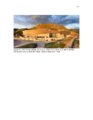
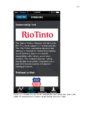
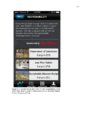
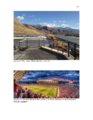
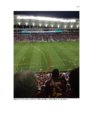
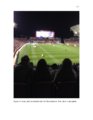
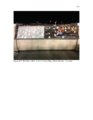
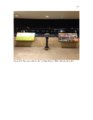
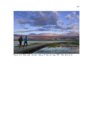
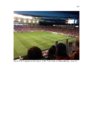
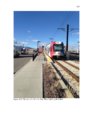
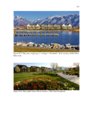
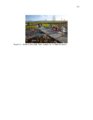
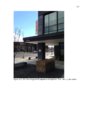
Show 45 trust laws, economic stakeholders, and other legal precedents. The Santa Clara decision, however, opened the door for a new era of uncharted corporate networks to ascend in the 20th and early 21st centuries. This chapter also makes the argument that although objects are ontologically egalitarian, not all actor-networks are democratic. As we shall see, legal precedents, such as the Santa Clara decision, created conditions for corporations to have substantially more rhetorical force than other subjects. In other words, this event created a new episteme dominated by corporate, rather than human, networks. Chapter 4 uses the conclusions rendered in the previous two chapters to develop a case about how corporations are friendly, neighborhood citizen-subjects in communal assemblages. Drawing from Williams' book, The Country and The City, this chapter analyzes the relations between country and city in Utah, USA to determine the networks used to stabilize a particular vision of the world's largest open-pit mine: the Bingham Canyon Mine. In doing so, this chapter turns to the case of Rio Tinto and analyzes how this subject networks with the local community to articulate its business as a touchstone of technological progress. In Salt Lake City, Rio Tinto's cultural cottage industry includes the Natural History Museum of Utah, The Rio Tinto Soccer Stadium, and the Daybreak Community of Suburban Living. Drawing from important work done on institutional rhetoric and memorials and museums (Blair, 1999, 2001; Blair, Jeppeson, Pucci, 1991; Dickinson, 1997, 2002; Dickinson, Blair, Ott, 2010; Dickinson, Ott & Aoki, 2005; Hasian & Wood, 2002; Middleton et al., 2011), this chapter assumes that these places of rhetoric are both material and performative. Putting this assumption to praxis, this chapter follows Rio Tinto's networks of copper through Salt Lake's copper-infused |