| OCR Text |
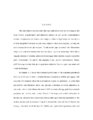
Show 327 means of their production, that marketing and advertising campaigns dupe publics about a truer environmental relations, or that industrial corporations are inherently racist, sexist, classist, speciest, elitist, ageist, ablest, or heteronormative subjects; however, rhetorical criticism needs more critique like it needs more Platonists and neo-Aristotelian critics. Creative licenses to perform critiques of domination and freedom assume humans have special powers to categorically decipher good from evil. Nietzsche (1872/1982) reminds us that humans are no more morally superior than the gnat, and to reduce the art of criticism to a series of commandments for critique is a form of enslavement that dulls the senses and hates the world. Critique has run out of steam, and sooner or later rhetorical critics and priestly critical rhetoricians must grow tired of this ressentiment and moralism. It is time to affirm life and begin to understand the world we live in. The world we live in does not recognize critique; it recognizes force. We are no longer in an age of human subjectivity. Corporations rule the world, and they do it without morals, sentient bodies, and special consciousnesses; they do it with networks. The corporate subject affirms life and is in a constant state of transformation and becoming. It thus makes no sense to put on our critical blinders and judge corporations that do not play by our rules. To do so is a simple violence. Worse yet, reducing corporations for judgment would fail to understand the networks of relations that have eclipsed our fickle age of reason and all of its tenuous moralisms, ideologies, and critiques of judgment. Yet, understanding the corporate subject requires more than a full-fledged attack on humanism; it requires critics to create a map of this brave new world and, potentially, build something new. This is why this nontraditional dissertation has only taken the corporate subject in |