| OCR Text |
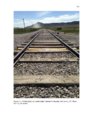
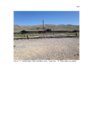
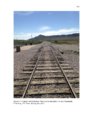
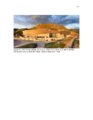
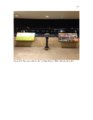
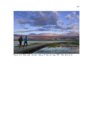
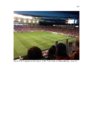
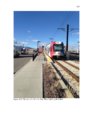
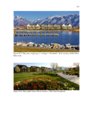
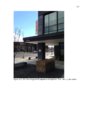
Show 175 both everywhere and nowhere, and it seems that copper may have trained Rio Tinto how to do the same. After all, Rio Tinto, as an abstract entity, is still just a concept that has been given rhetorical force only because it has been put into relation with powerful forces in legal, communal, and political assemblages. Like copper, Rio Tinto cannot be found in the flesh, even though Deleuze and Guattari (1972/2009) may call it a body without organs. Mundane places of corporate community, therefore, are not only political, but they are critically important to the actor-network of the corporate citizen-subject because they connect the corporation to the network that establishes and sustains their subjectivity. This network runs on copper. In Salt Lake City, Rio Tinto embeds itself within the architectural design of places of corporate community at the Natural History Museum of Utah, the Rio Tinto Center, and Daybreak. These places are part of a controlled network of copper that culturally educates populations about the necessity of industry to extract this precious mineral commodity so essential to everyday living. Part of this copper network includes Salt Lake City's public transportation system Trax. Trax is important because it not only runs on copper but it uses this stone to control the flows of mobile bodies from the natural history museum, the soccer stadium, and the suburban community. This light rail system quite literally links the country with the city by traveling from one end of the valley to the other, connecting the Wasatch Mountains with the Oquirrh Mountains, and all three of Rio Tinto's places of corporate community along the way. When travellers take the Trax from Daybreak to the Rio Tinto Stadium or the Natural History Museum, they are moving through a controlled network that intrinsically relies on the necessity of copper to navigate through space and time. |