| OCR Text |
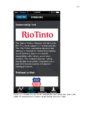
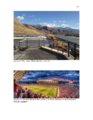
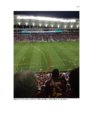
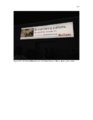
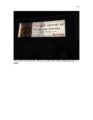
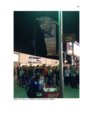
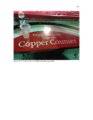
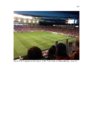
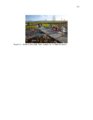
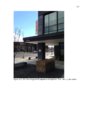
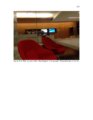
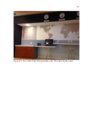
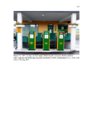
Show 210 fragmented by the community of corporate subjects that are also competing. They are not competing in a match against each other like the players do on the field. They are competing for the fan's support, culture of consumption, and epistemic trust along the periphery of the center of the field. This community of corporate citizen-subjects is thus in the margins of RSL fandom and brings a surplus of meaning to the events occurring on the field. The Rio Tinto Stadium may appear to be a Foucauldian place of confinement, but it is not because this corporate community goes home with you. Corporate citizensubjects may be on the t-shirt or souvenir trinkets purchased at the stadium. They are on the ticket stub that the RSL fan may save as memorabilia. They are on the television, smartphone, or tablet used to purchase tickets for the next match. They may also be on other signs, billboards, or radio advertisements that are seen and heard on the way home. This community of corporate citizen-subjects follows the human corporate citizensubject, and it never stops because this subject is always in debt to the corporate community. As Deleuze (1972/1995) notes, "control is short-term and rapidly shifting, but at the same time continuous and unbounded, whereas discipline was long-term, infinite, and discontinuous. A man is no longer a man confined but a man in debt" (p. 181). Corporations are not our "masters" (p. 181) as Deleuze infers, but they are our fellow citizens that control the network that defines citizenship in the first place. Without them, publics are taught, the idea of community would disappear. For this we remain committed to the network of corporate community that is still moving… |