| OCR Text |
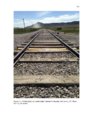
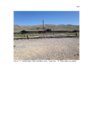
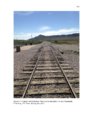
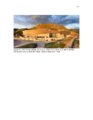
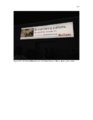
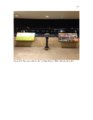
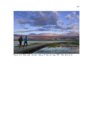
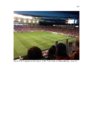
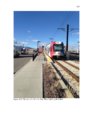
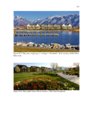
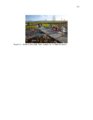
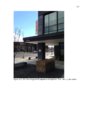
Show 211 Daybreak Our final stop is Daybreak. This is the suburban community Rio Tinto advertised at the Rio Tinto Stadium. Daybreak is located in the country, within about a mile from the Bingham Canyon Mine. More than any other place of corporate community, Daybreak is squarely within Rio Tinto's territory. Rio Tinto owns the land, the houses, and the mine, and it wants to be your good neighbor. Rio Tinto made efforts to connect Daybreak with the rest of Salt Lake City with its newly added Trax line that connects Daybreak to the rest of the city, and the other places of corporate community (see Figure 4.21). In an interview, Rio Tinto said that it donated the money to do this. To Rio Tinto, this "was another way that we could contribute in [the] financial needs to help do our part" in the community. This extension has allowed this rhetorical cartographer to traverse the country and the city from one end of the Salt Lake Valley to the other. Daybreak is an embodiment of tropes about country living because it is small, tightly knit, and has not overwhelmed the desert land with suburban sprawls that span from eye to eye. There is a lake called Oquirrh Lake, trails for running, hiking, and mountain biking, and since it runs alongside the Oquirrh Mountains, it is basically a gateway to the wildness of nature (see Figure 4.22). This is all quite discernable when riding Trax from the city to Daybreak: buildings begin to disappear while the desert reappears and the Oquirrh Mountains become closer, closer, and closer. When passengers step out of Trax at Daybreak's end-of-the line stop, the sky and the land open up while the mountains give the eyes a delightful splendor of colors, shapes, and fresh smells (see Figures 2.22, 2.23). In case the visitor has forgotten, Utah's countryside is breathtaking. The Bingham Canyon Mine is the backyard of this place of corporate community, |