| OCR Text |
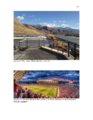
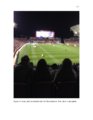
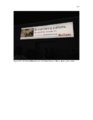
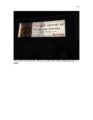
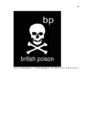
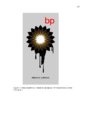
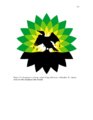
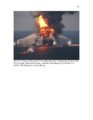
Show 174 unique to copper because copper is invisibly embedded into the design of modern communication technologies, household appliances, and transportation devices. The people of Salt Lake can see the Bingham Canyon mine, but they do not see where the copper goes because it is rapidly transformed into electronic wires, microchips, and cylinders. Jarred Diamond (2011) points this out in Collapse, where he persuasively argues that hard-rock mining is different than oil practices because people do not buy copper directly from copper superstores like they do oil (e.g., gas stations). Rather, processes of turning mountains into cellphones is at least "eight steps removed" because it has to go through the trucks, the crushers, and the smelter, and the refinery just to get the "99.99%" pure copper cathodes, which are then hauled off to other major industries so they can be used in cars, batteries, computers, cellphones, telephone wires, etc. Consequently, it is more difficult to identify environmentally problematic practices from these companies than oil because there are so many steps that are necessary for transforming the earth into technologies. This makes it difficult to "boycott copper" and resist its controlled network. Alternatively, when an oil spill occurs, everybody knows who did it and how it happened - and they can easily boycott companies like BP for weeks, months, or years. This is simply not possible with Rio Tinto. How many people know where the copper in their cell phone came from? Copper may be invisible, but Rio Tinto is a visible corporate subject in Salt Lake City. Its community presence belongs to a particular "scopic regime" (Jay, 1994) that visually associates Rio Tinto with places of corporate community that are educational, exciting, and aesthetically pleasurable. Copper is the dominant actant in this network. It is |