| OCR Text |
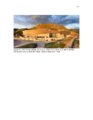
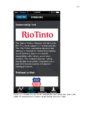
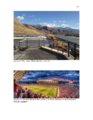
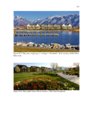
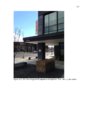
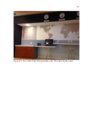
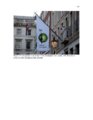
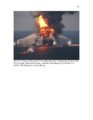
Show 333 accumulate capital, this alone does not make them rational rhetorical actors because their relations with different assemblages concurrently produce many very different affects, flows, and intensities among different networks. The rhetorical strategies and tactics for gaining alliances may differ, but the corporate entity - the subject - is still the same. We can recognize this subjective quality in all of our case studies. Southern Pacific Railway was not a person, but it nonetheless rallied human forces to argue that it was a person, and one protected under the 14th Amendment. At the NHMU, Rio Tinto produced affects of scientific wonder and a genuine sense of exploration, but at the Rio Tinto Stadium, visitors are part of a culture of fandom that involves yelling, shouting, singing along with anthems. And at Daybreak, residents are part of Rio Tinto's sustainable community of suburban living. bp disseminated a logo hailing its environmental achievements but is also tagged with the worst environmental disaster in American history. The very fact that corporations are simultaneously constituted by relations with legal, communal, and visual assemblages, demonstrates quite clearly that corporations are not sensible, rational, or reasonable; nonetheless, their networked approach to rhetoric works, and they remain more powerful than the human subject. Even though corporations are created by people, and are both preserved and sustained by the confidence of investors and shareholders, the corporation remains an entity, a subject, all by itself, and this subject is not rational. Human subjectivity is in a posthumanist age of communication. Intentionality has been swept away alongside the washed up human subject by the epistemic tides of the corporate subject. An antihumanism is required if we are ever to understand our current epoch of communication. |