| OCR Text |
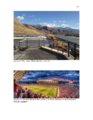
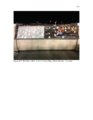
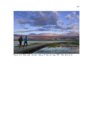
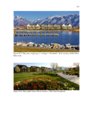
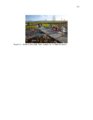
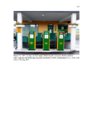
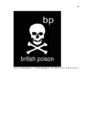
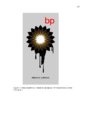
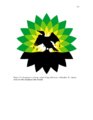
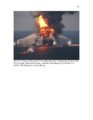
Show 305 Tony Hayward meant when he said, "the environmental impact of this disaster is likely to have been very, very modest" (quoted in Goodman, 2010, para. 36). The point of this case study has been to demonstrate that visual corporate subjects must respond to antagonistic rhetorical situations to repair damaged networks. While bp attempted to stabilize its visual network with image events of a clean, back-to-normal Gulf Coast, it unsuccessfully tried to repair its ethos because its logo was associated with a careless and selfish corporate persona that accidently branded an environmental crisis. bp also underestimated the force of its own image by using it as a supplement to rational arguments that claimed the Gulf and locally affected communities are back to normal. Unlike the relations established between 2000 and late 2010, bp depended on reason more than affect in many of its image events after Deepwater Horizon. This may indicate that bp's logo works less effectively as a condensation of a reasonable corporate subject than an unreasonable one. Although this author does not contend that bp's reasonable arguments are the causal reason for bp's inability to restore affective confidence, it has been observed that bp's logo changed its argumentative tactics since the oil spill. Prior to the spill, bp relied on unreasonable argumentative forces, such as animated infants, personified fuel tanks, and contagious music to create brand loyalty. After the spill, when bp's image was antagonized with images of an uncontrollable environmental crisis, bp advanced reasonable arguments that used the image events as scientific validation that the Gulf is back to normal and that bp is once again a trustworthy corporate actor. This demonstrates that images, as condensations of corporate subjects, can be used as reasonable or unreasonable argumentative forces, depending on its synchronic style. Either way, the logo is a mobile, transmutable, and irreducible image event that |