| OCR Text |
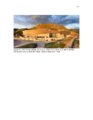
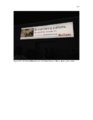
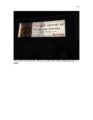
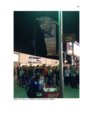
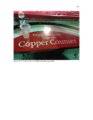
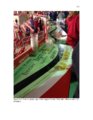
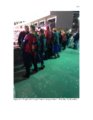
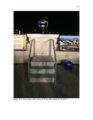
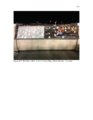
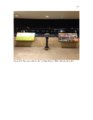
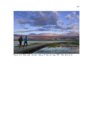
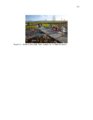
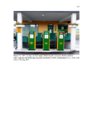
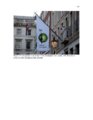
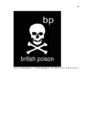
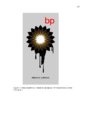
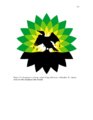
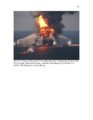
Show 286 up all over," he said (Blake, 2010, para. 7). Greenpeace, on the other hand, appropriated bp's logo as a prop for image events, such as the stunt in front of bp's London headquarters (see Figure 5.3). To Greenpeace, replacing bp's bright, colorful logo with oil speaks loud and clear that bp is no friend of the environment even though its intended logo attempts to evoke environmental structures of feeling. These appropriated logos articulated bp as a dirty, oily machine destroying the environment for gross accumulations of capital. One design is a skull and crossbones with "british poison" written on the bottom (see Figure 5.4). Another features bp's rebranded logo drenched in oil and says "bitumen pilferers" (see Figure 5.5; Labarre, 2010). The winning design went to a gentleman from Paris, who appropriated the logo by designing an oil-soaked pelican in oil in the middle of bp's helios (see Figure 5.6). To the designer, the silhouette shape comes from a very moving picture I saw of this poor bird in panic, glued in oil…His agony is a strong reflection of what is happening to our world with these tragic events. Placed in front of the BP logo, and it all looks like a fatal sunset for us… (Greenpeace, 2010c, para. 2, emphases added). Altogether, people were morally outraged after Deepwater Horizon, feeling both misled and estranged by the British company that was destroying their American environment on live television. The logo that was once believed to "represent" clean energy was now an object of protest for the masses. However, even though bp was sanctioned with moratorium, charged with more than $26 billion in penalties and reparations, bp still proliferated its visual networks, which attempted to stabilize its relations with consuming publics, financial leaders, and even environmental discourses. Protests such as Greenpeace's London stunt demonstrate logos can be argumentative sites of engagement, but they also reveal that audiences rely |