| OCR Text |
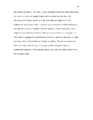
Show 144 stronger, debates involving the metaphysics of corporations were not so quickly, and passively, determined because numerous other stakeholders leapt into this mercurial rhetorical situation and began to create new alliances, assemblages, and networks that would turn out to be a crucial moment in our history for the evolution of the corporate subject. Only in hindsight is Santa Clara and its Circuit Court companion case, San Mateo County v. Southern Pacific Railroad Co. (1885), recognized as the first real success of corporations gaining constitutional equality. While this decision was among a range of cases that came from California and posed the question whether the state is barred from taxing corporations differently than individuals, it is easy to assert that on its face Santa Clara was just another boring case involving tax law that only accidently disclosed the commonplace assumption that corporations are individuals protected by the constitution. To fully recognize why Davis's headnote was so commonsensical to the Court, it is imperative to trace how the courts, politicians, and economic stakeholders negotiated the legality of corporations in the 1880s and 1890s, because the legal protections that created our corporate subject occurred not from the sheer authority of the Supreme Court, but from a set of burgeoning alliances with Legal Realists, railroads, and the postwar industrial economy. As Morton Horwitz (1985) explains, while Santa Clara affirmed the corporate personality thesis, it was only in hindsight that justices confirmed corporations as real entities as opposed to imaginary inventions of the state. In turn, the social, economic, and legal relations reset basic constitutional assumptions about the individual, property, and privacy that would eventually be used by the Chicago School of Economics during the 1970s to secure a legacy of corporate domination. |