| OCR Text |
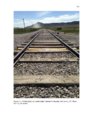
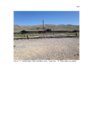
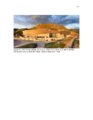
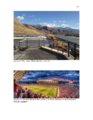
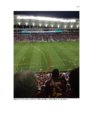
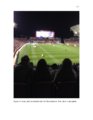
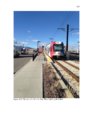
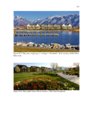
Show 222 encompass a broader scope of relations on a flattened plane of consistency. Reducing community to roots misses all the other interesting things that occur within suburban communities, such as how corporations are also members of the community and how places like Daybreak hybridize country with city to create a network of corporate sustainability. In other words, looking for roots in communities is a transcendent ideology that assumes only humans can be communal. Altogether, Daybreak is a place of corporate community that associates Rio Tinto and the Bingham Canyon Mine with environmental sustainability, neighborhood community, and beautiful country-style living. It is the end of the line for Trax, which connects this countryside - where copper mine and suburban community converge - to the stadium in the heart of the city, and all the way back to the Wasatch country where the Natural History Museum of Utah is located. We have not only gone from the country to the city, we have gone from the country to the country, while following the network of the corporate citizen-subject that brings it all together. Conclusion: Corporate Citizen-Subjectivity in Global Perspective This chapter has argued that Rio Tinto is a corporate citizen-subject that secures its identity with the Salt Lake City community at places of corporate community. To realize the force of this communal network, we have traversed one side of the Salt Lake Valley to the other, going from country to city, and back to country, to track Rio Tinto's communal network. We were guided by the public transportation system called Trax, and began our railway journey at the Natural History Museum of Utah. Here Rio Tinto mundanely imbues its identity into the architecture of this building to help educate children about the exciting possibilities of science and technology. Next, we visited the |