| OCR Text |
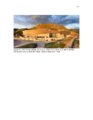
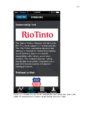
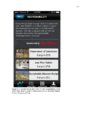
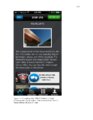
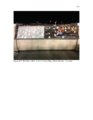
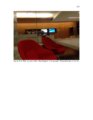
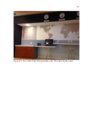
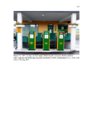
Show 192 Marshal McLuhan (1964/1994) was right when he said it is the form, and not the content of media that tell us the most about the social order in which we live. The museum's "public screens" (DeLuca & Peeples, 2002), for example, offer participatory forms of engagement that serve the mutual purpose disseminating information about Utah's natural history and producing subjects that recognize screens (and copper) are essential to human understanding and public engagement. This technological medium, we might say, is the most recent product of our continuously evolving history. These screens are also technical modalities of citizenship that mediate corporate community through science and technology. Even though corporate actors may control the technological design, create the digital space, and supply the copper, zinc, and lithium of these technical modalities, public screens also encourage new forms of public participation and social change (see DeLuca & Peeples, 2002; DeLuca, Lawson, Sun, 2013). Altogether, NHMU is importantly part of Rio Tinto Kennecott's network communal corporate subjectivity, as it networks visitors with Rio Tinto through science, technology, and natural history. Rio Tinto's alliance with the NHMU has helped create a powerful cultural space that is all about natural scientific curiosity and exploration. Rio Tinto is not only a credible actor on the topic of science and technology, but it is an educator that wants to teach publics what natural history is all about. Rio Tinto is associated with the fun, interactive, technical structures of feeling that occur within the NHMU's walls, which creates subliminal identification between visitors, scientific education, and Rio Tinto. Maurice Charland (1987) once projected that subjects are constituted by various |