| OCR Text |
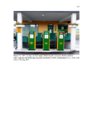
Show 306 propagates along immanent planes of consistency. Logos have no inherent meaning. As poststructuralists such as Derrida, Foucault, and Deleuze have proclaimed since the 1960s, form is more important than content, and it appears that this is especially true when it comes to the corporate subject's visual assemblage. bp teaches cartographers that logos are used to build or repair networks, and as argumentative fragments associated with rhetorical contexts, they work best affectively. Conclusion: The Corporate Subject's Visual Assemblage in Perspective This chapter has argued that logos are condensations of the visual corporate subject. To support this argument, this chapter began with a reflective discussion about how previous researchers such as Klein and Harold have approached the logo. While these two scholars have importantly assumed that the logo is a political site of engagement, they nonetheless both employ a logic of humanism when studying corporate images. Klein assumes logos are intentionally misleading and advances numerous moralist attacks against images that misrepresent the true actions of corporations. Harold gets researchers closer to a nonhumanist orientation by drawing from Deleuze to analyze various jokes, pranks, and pirated attempts to appropriate the logo, but she still assumes humans, not corporations, are the primary rhetorical and argumentative subjects capable of social change. The second section developed a networked approach to the logo by arguing logos are image events, argumentative, and affective forces that give corporations persona. As a case study of how corporations use logos as visual compendiums of their subjectivity, this chapter analyzed the visual forces of bp's rebranding campaign and tested its affective strength when environmental crisis struck in 2010. While bp's logo effectively |