| OCR Text |
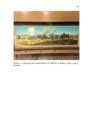
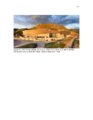
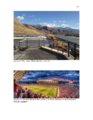
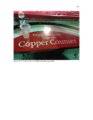
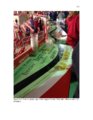
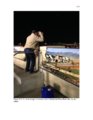
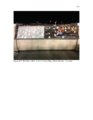
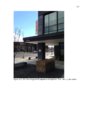
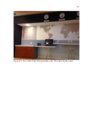
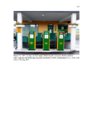
Show 180 like our natural history, the museum will evolve with time. It will never be the same museum twice. In the words of the Executive Director, "the exterior of the building is intentionally not treated in any way, and allowed to patina over 5, 10, 15, 20 years. So as visitors come back to the museum, they will constantly see a façade that is weathering and changing" (Personal Interview, NHMU, March, 2015). The force of this evolving façade is made resonant when contrasting it to the treated "Copper Wall" inside the main foyer of the building, which was created to commemorate all of the public and private donors that made the NHMU possible. This "wall" is bright and luminescent, without any scars, blemishes, or faded coloration. As the Director of Development pointed out during interview, it is "shiny as a penny," and is the same color as the exterior copper was when it first went up on the outside of the museum. Today, the façade is very much a different color than this Copper Wall. It is darker, weathered, and rugged-looking. This aesthetic gives visitors a sense of the "power of natural forces, and the impact that weather can have on, in this case, copper" (Personal Interview, NHMU, March 2015). The NHMU is a textured place of corporate community, and Rio Tinto Kennecott is carefully stitched into the fabric of the museum. Rio Tinto donated the copper for the museum's façade, which came straight from the Bingham Canyon Mine. This donation was accompanied by Rio Tinto's $15 million contribution to the construction of the building in 2008. This was the largest private donation that the NHMU received to help it meet its $102.5 million bill. Another $14 million came from a county tax bond, $25 million from the state of Utah, and $17 million came from federal assistance. Other major private donors include the Emma Eccles Jones Foundation, George S. and Delores Dore |