| OCR Text |
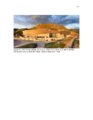
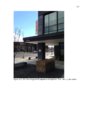
Show 181 Eccles, and the University of Utah - which manages the museum through its Board of Trustees. Because Rio Tinto contributed the largest private donation, it was awarded the naming rights of the museum, which is technically named the Natural History Museum of Utah at the Rio Tinto Center (italics added). What's in a name? As Naomi Klein (2009) describes, naming, or branding, is designed to create products that are more than just the product, but are fetishized and "spiritual," because "branding, in its truest and most advanced incarnations, is about corporate transcendence" (p. 21). It is the idea that corporations decidedly sell "brands, not products!" (p. 21). Following this logic, can we really say that people are drawn to the NHMU because Rio Tinto has the naming rights? No. Naming is important to Rio Tinto's network of corporate community, but it is not everything. As it was explained to me by the Executive Director of the NHMU, "the Rio Tinto Center is the name of the structure;" it is not the official name of the museum itself. The "Rio Tinto Center" was a philanthropic gift from the University of Utah Board of Trustees to Rio Tinto Kennecott for donating outstanding amounts of money. Visitors do not call the museum the "Rio Tinto Center"; it is the "Natural History Museum of Utah." Rio Tinto's communications team seems to agree that their partnership with the NHMU is more than just about the name: it is about building its alliance with the community. This particular alliance was a natural fit. After all, Kennecott has been a partner of the Natural History Museum since it first opened on the University of Utah campus in 1964. Donating its first gift in 1979, Kennecott has continued to support the Natural History Museum for almost forty years now. So when the Utah Board of Trustees determined that it was time for a new museum in 2008, the museum and Rio Tinto saw |