| OCR Text |
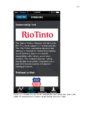
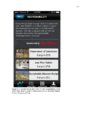
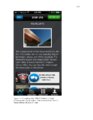
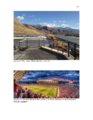
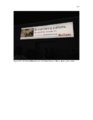
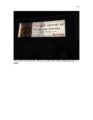
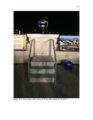
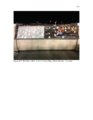
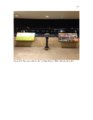
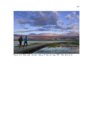
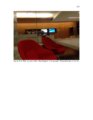
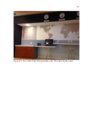
Show 191 To Sharon Beder (2002), Toby Smith (2015), and Phaedra Pezzullo (2003), these traces of corporate sustainability would likely qualify as "green-washing," which is when companies promote green technology for its market value without embracing meaningful sustainability practices. In this case, Rio Tinto is tapping into the market of green technology by underscoring the essentialness of copper to a cleaner future while downplaying some of the inherent environmental risks associated with copper mining. This conclusion, however, does little to inform critics about what the discourse of sustainability does for Rio Tinto's corporate community. Alternatively, the Sustainability Trail is an actant that performs the necessity of copper to the hybrid of scientific education and environmental sustainability. The more we use technology for energy and education, the more we use copper, and thus, the more we rely on industrial corporations such as Rio Tinto to extract this precious mineral metal from mines and quarries. Rio Tinto is thus an authority figure on the topic of environmental sustainability because it has the know-how and the resources to fuel a brighter future. Even if Rio Tinto is part of the environmental problem more than the solution, how many people are willing to give up their smartphones and computers so that we can seriously address air pollution and global warming? Technology is an intricate part of today's citizenship, and Rio Tinto controls arguably the most important part of this digital network. Taking friends and families to the NHMU is also an act of citizenship. This makes screens inside the museum doubly forceful for Rio Tinto's acts of citizenship. Indeed, the museum has numerous screens that are used to transmit and disseminate knowledge about natural history, scientific inquiries, and corporate community. |