| OCR Text |
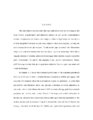
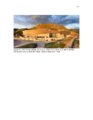
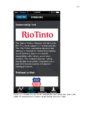
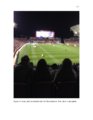
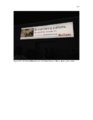
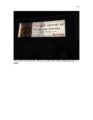
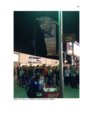
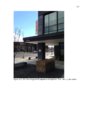
Show 185 example of how both power and governance are mundane, rhizomatic, and networked, not arborescent. Rio Tinto's naming rights do not create a hierarchy of power that orders its subjects to buy more copper. Copper, after all, is typically an invisible technology that is imbued into the design of technological products such as cellphones, computers, and automobiles. People do not even see the copper when it is extracted from the Bingham Canyon Mine, since its deposits are so fractional. As Jared Diamond (2011) reminds us, hard rock natural resource companies are different from other industrial corporations because the process of extracting mineral metals is inherently opaque. This is especially true for copper because porphyry mining is a highly technological process that turns .02% or less of extracted copper into purified copper cathodes by crushing, smelting, and refining the ore, transporting it from mine to industry with an underground conveyer belt. Rio Tinto is not trying to sell its copper to the public - as if that were even a possibility. So at the NHMU, Rio Tinto is simply using its mundane presence to establish community ethos. The NHMU's copper façade is an exception to the point that copper is an invisible force because in this case, it is aesthetically palpable. However, the exterior is not articulated as a fetishized commodity like the Nike shoes, Gatorade sports drinks, or McDonalds cheeseburgers that Naomi Klein discusses in No Logo, because the façade is designed to blend in with the surrounding environment, not stand out like a jewel. The copper is an element of NHMU's discourse of natural history, which articulates the façade as a natural, scientific object, not a commodity. Similarly, Rio Tinto and the Bingham Canyon Mine are mundane objects of natural history that blend in, rather than |