| OCR Text |
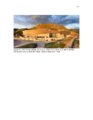
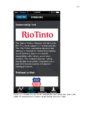
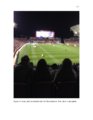
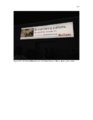
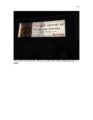
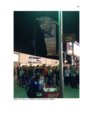
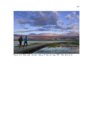
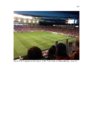
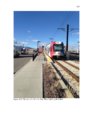
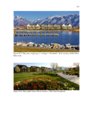
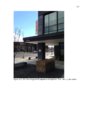
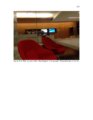
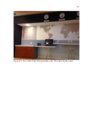
Show 177 Your Friendly Neighborhood Corporate Citizen-Subject: Rio Tinto at the Natural History Museum of Utah, the Rio Tinto Stadium, and Daybreak Corporations establish community presence in cities to secure particular visions of what they do in the country. In the case of Rio Tinto, Salt Lake City citizens are taught that the Bingham Canyon Mine is a hallmark of industrial progress because it makes modern living possible. This section tests this contention by tracing Rio Tinto's network of citizenship at the Museum of Natural History, the Rio Tinto Stadium, and the Daybreak Community of Suburban Living. In doing so, I draw from personal visitations, archival research, visual inscriptions, and two personal interviews (one with the Rio Tinto communications team and another with the executive director and head of philanthropy at the NHMU) and perform what Middleton et al. (2011) call rhetorical field methods on a field of immanence (McHendry et al. 2014). In what follows then, I follow the networks of corporate subjectivity through a series of "thick descriptions" that highlight the "multiplicity of complex conceptual structures, many of them superimposed upon or knotted into one another" (Geertz, 1973, p. 10) at ordinary places of corporate community sponsored by Rio Tinto to get a sense for the structures of feeling produced by this corporate actor. The Natural History Museum of Utah The Natural History Museum of Utah (NHMU) is a 170,000 sq. ft. structure that sits atop the Salt Lake Valley in the Wasatch Mountains. It opened its doors to the public in 2011, after the Utah Board of Trustees approved the proposal to relocate the museum from its historical location on the University of Utah main campus. Before 2011, the |