| OCR Text |
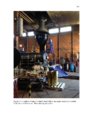
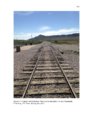
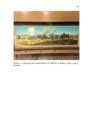
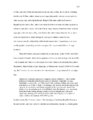
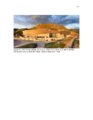
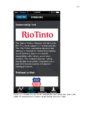
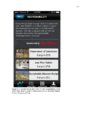
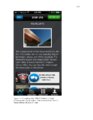
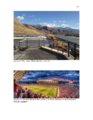
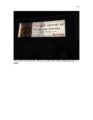
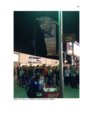
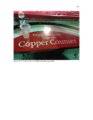
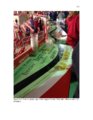
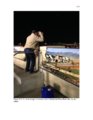
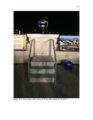
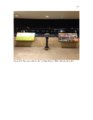
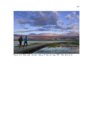
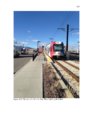
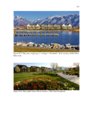
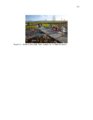
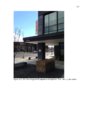
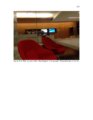
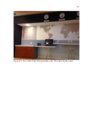
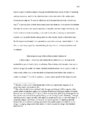
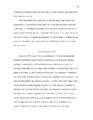
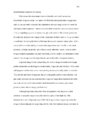
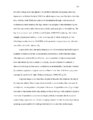
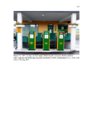
Show 188 sustainability challenges facing us today" (Sustainability Trail, 2015, para. 1). I emphasize "we humans" because Rio Tinto employs a rhetoric of humanism in order to identify with the community. This is important because it demonstrates that Rio Tinto is thinking about sustainability as a human environmentalist would, not as a greedy corporation would. On the Sustainability Trail, visitors can learn about the museum's "low-flow" toilets; the museum's architectural energy-efficiency; the museum's solar panels; the science of climate change and its impact on Utah; efforts to renew Utah's native plants, such as its state flower, the Sego Lily; energy efficient LED lights in museum display cases; ways that "we" can reduce our carbon footprint; and more (see Figures 4.3, 4.4). There are also many other "stops" that are tangentially related to environmental sustainability, such as ancient collections, language preservation, the spiral jetty, and dinosaur remains. The Sustainability Trail is fun and interactive. Textual descriptions are short and concise, and there are picture slideshows that beautifully capture sustainable moments. There are even archived audio recordings from local book authors, paleontologists, geophysicists, and climate researchers. Importantly, the Sustainability Trail is not about Rio Tinto and their environmental impact. It is about the idea of sustainability in a changing environmental situation. On the fifth floor of the museum, visitors are invited to enter the outdoor "Sky Terrace," which is a patio that overlooks the valley (see Figure 4.5). The name of the patio engages with the adjacent "Sky" exhibit that discusses scientific components of astronomy, meteorology, and climatology. There is a pair of patio chairs to relax and take in the breathtaking view of the country and the city, when air pollution is not smothering |