| OCR Text |
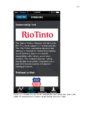
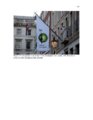
Show 77 Copper is a hallmark of scientific and technological progress. It has even won wars. The Bingham Canyon Mine, for instance, is believed to have supplied nearly 1/3 of the total copper used by Allied forces in World War II. And since the war, corporate stakeholders such as Rio Tinto have found new ways to appropriate the uses of copper; primarily, postwar economies have used copper for new media technologies that continue to rapidly transform contemporary communication networks. Copper once defined an entire age, and it is now quite plausible to suggest that communication technologies and their transnational cables are creating a renaissance that could quite possibly define the next 100 years of technological innovation. The Bingham Canyon Mine is owned and operated by Rio Tinto, which is one of the largest natural resource corporations in the world. This corporate subject has mines comparable to the Bingham Mine all over the world and its economic success is virtually unparalleled by competitors. With headquarters in London, England and management offices in Melbourne, Australia, Rio Tinto is among the globe's largest corporations. In 2009, the company had net total earnings of $4.9 billion, and it is listed as the 134th largest company in the world (CNN, 2009; Elliott, 2009). While it primarily extracts copper in Utah, it is also the world's largest producer of aluminum and the second largest producer of iron ore, creating even more global networks of consumption, energy, and technology.15 Aluminum, iron ore, and copper aside, Rio Tinto also mines coal, silver, gold, borate, lithium, salt, talc, diamonds, uranium, molybdenum, and titanium on every continent except Antarctica, including countries such as Australia, Mongolia, Spain, Brazil, Chile, Canada, Zimbabwe, Indonesia, Madagascar, South Africa, and Papua New 15 Rio Tinto is the world's fourth largest supplier of copper. |