| OCR Text |
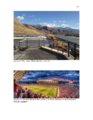
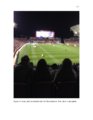
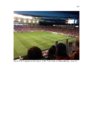
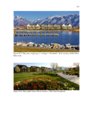
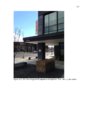
Show 79 object used to separate coals from copper after prehistoric smelting processes, and liquid for panning placer copper deposits. In fact, the Andalusia region dates back to 3,000 BCE, when Iberians and Tartessans controlled the mineral deposits, which were later extracted by Phoenicians, Romans, Visigoths, and the Moors, until the Spanish took over in the 16th century (Salkield, 1987). In 1873, a corporation called Hugh Matheson's and Company purchased the mine from the Spanish government. Not long after, the company was sold the Rothschild Family, which used its financial resources to dramatically increase the scale of its mining operations. Despite unprecedented economic successes, the company was quickly charged with perpetrating environmental problems such as polluting the Rio Tinto (river) and killing 100-200 local farmers peasants and "syndicalist miners" for protesting against sulfur dioxide pollution and poor wages in 1888. The network Rio Tinto began to take on new forces as it continued to expand its size, power, and wealth, despite critical judgments rendered by communities, critics, and policymakers. As such, it became increasingly important for Rio Tinto to manage the identity of its mines by using its subjectivity to create rhetorical situations conducive to its citizenry among its expansive host of associations. Rio Tinto is a global subjective network that maintains many personalities at once. As Chapter 4 will argue, Rio Tinto Kennecott is a friendly neighborhood citizen subject in Salt Lake City, Utah. This is evident at places sponsored by RTK, such as the Utah Museum of Natural History, the Rio Tinto Soccer Stadium, and the Daybreak Suburban Community. These places of rhetorical production are places of corporate community that articulate humans as part of Rio Tinto's corporate network and educate |